Bicycle Accident Lawyer Denver for University Area Bike Accidents
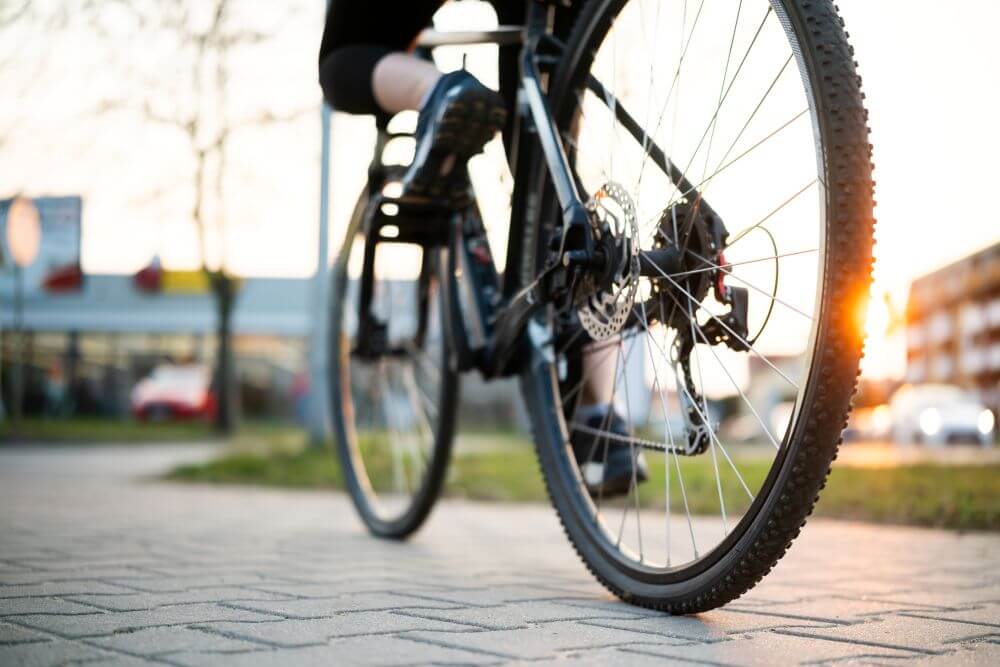
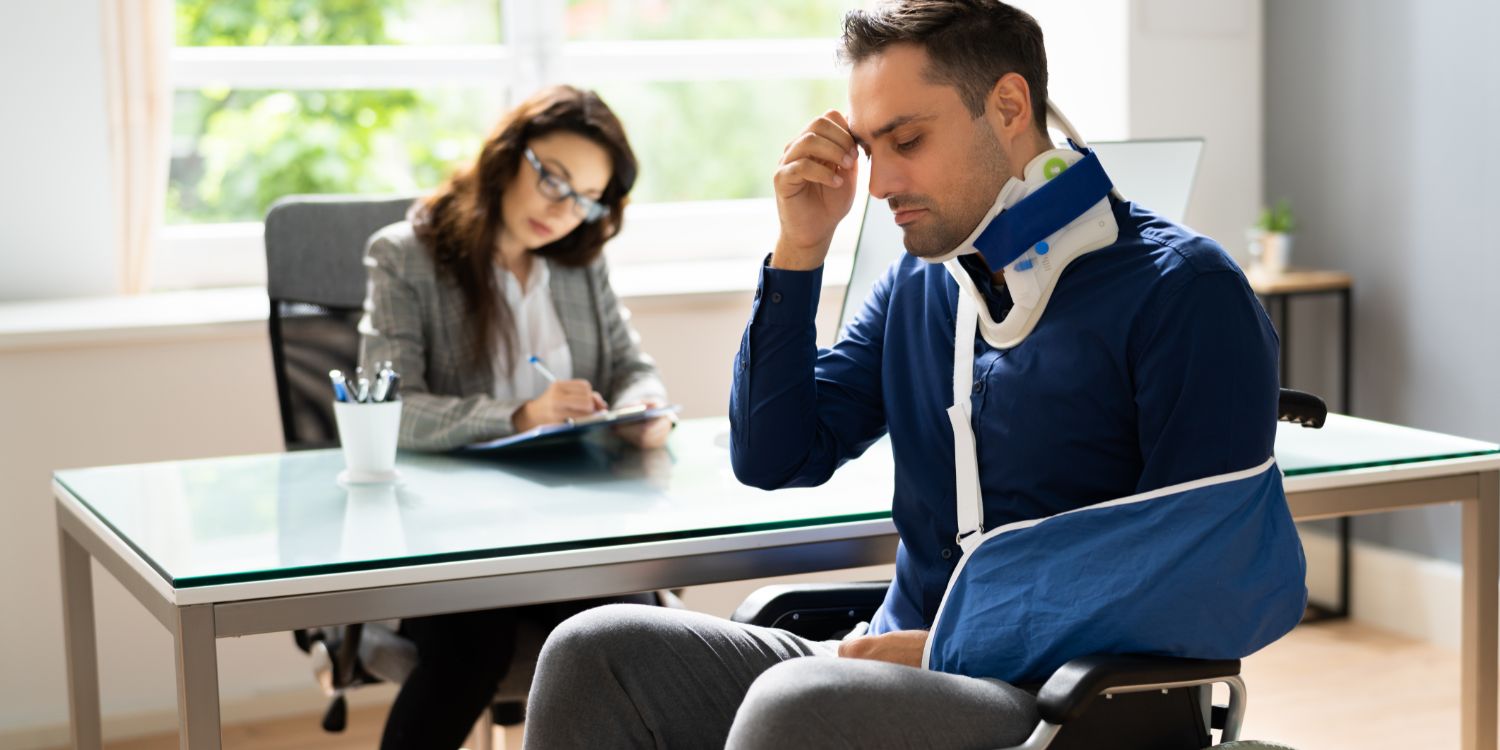
University neighborhoods create a strange mix of energy and risk for cyclists. Streets stay busy from early morning classes through late night rides home. Drivers hunt for parking, delivery vans stop where they should not, rideshare vehicles cut across bike lanes, and students on bikes often move fast because they are trying to make a lecture, a shift, or a train. In Denver, that mix can turn a routine ride into a serious crash in seconds.
A Bicycle Accident Lawyer Denver residents trust needs to understand more than traffic law in the abstract. University area bike accidents have patterns of their own. The roads near campuses carry heavy foot traffic, buses, scooters, construction detours, and inexperienced drivers unfamiliar with one way streets or bike infrastructure. The injuries can be severe even when the rider was moving slowly. A door opening into a bike lane can break a wrist. A right hook collision at a campus intersection can cause a head injury, shoulder damage, or months of lost mobility.
These cases also raise practical problems that do not always appear in other accident claims. The rider may be a student from out of state. The at fault driver may be using a personal vehicle for delivery work. A campus camera may have captured the impact, but that footage may not be saved for long. Witnesses may scatter within minutes because they are hurrying to class. When the crash happens near a university, timing matters, and so does local knowledge.
Why university area bike accidents are different
Bike crashes near college campuses rarely happen in wide open conditions. More often, they happen where too many people are making quick decisions in too little space. Think about the blocks surrounding the University of Denver, the busy corridors that connect student housing to classrooms, and the streets where bike traffic overlaps with transit stops and game day congestion. Those are not quiet neighborhood roads. They are transition zones, where pedestrians, cyclists, buses, and cars all compete for position.
The rider population is different too. Many university cyclists are young adults who rely on a bike as primary transportation. Some ride every day and know the route well. Others borrow a friend’s bike, rent one, or ride after dark without realizing how poor visibility can become around certain intersections. Some wear backpacks loaded with books and laptops that affect balance. Some ride after evening events when impaired drivers are more common. The details matter because insurance companies often look for any chance to shift blame onto the cyclist.
A campus area crash may also involve property issues that complicate the investigation. Was the collision on a public street, a private parking lot, or a university managed access road? Did poor pavement maintenance contribute? Was a construction fence pushed into a bike lane? Was there temporary signage that blocked sight lines? A lawyer handling these claims needs to ask those questions early, before conditions change and evidence disappears.
The collisions that show up again and again
In my experience, university area bicycle cases tend to cluster around a few recurring scenarios. The first is the right hook, where a driver passes a cyclist and turns right across the rider’s path. It often happens near campus entrances, coffee shops, and side streets where drivers focus on cars and pedestrians but never truly check for a bike moving beside them.
The second common pattern is the dooring incident. In dense student housing areas, parked cars line the curb and turnover is constant. Someone hops out while checking a phone or gathering a backpack, the door swings open, and the cyclist has nowhere to go. Riders who swerve may strike traffic or another cyclist, which can make liability look confusing until the scene is examined carefully.
A third frequent problem involves left turning drivers. They judge the bike’s speed poorly or simply do not register the cyclist at all. Around campuses, that can happen in daylight and in clear weather. Drivers often claim the rider came out of nowhere. Usually, the real issue is inattention.
Then there are collisions tied to commercial traffic. Food delivery and package drop offs are part of campus life now. Drivers double park, stop in bike lanes, reverse unexpectedly, or dart across lanes under deadline pressure. When a delivery driver is involved, insurance coverage may become more complicated because there can be questions about personal policies, commercial activity, and app based work status at the time of the crash.
What a Bicycle Accident Lawyer Denver should do right away
The first days after a bicycle crash matter more than most people realize. Insurance adjusters move quickly. Evidence fades even faster. Skid marks disappear, surveillance video is overwritten, and witnesses stop returning calls once school schedules shift.
A strong legal response starts with basic ground work. Someone should secure the police report, identify all available insurance, obtain photos of the bike and helmet before repairs or disposal, and preserve any electronic data that exists. If the rider used a fitness app or bike computer, route and speed data may help confirm position and movement. If the driver was using a rideshare or delivery app, that can affect the available coverage. If the crash happened near a campus building, parking structure, or residence hall, nearby cameras may have recorded part of the event.
This is also the stage where medical documentation begins to shape the claim. Cyclists often minimize pain in the first 24 hours, especially students concerned about exams, jobs, or tuition. Then the soreness sets in, and the injuries turn out to be more serious than anyone thought. A concussion may not fully reveal itself at the scene. A shoulder injury that seems like a strain can later show a tear. A numb hand may trace back to a neck injury rather than a simple bruise. Early evaluation matters not just for health, but because delayed care is one of the first arguments insurers use to challenge a claim.
Fault is not always as simple as it looks
One reason bicycle injury cases become contentious is that everyone involved tells the story from https://knoxgkmh165.focalledger.com/posts/denver-bicycle-accident-lawyer-advice-for-rideshare-related-bicycle-crashes a different vantage point. A driver says the cyclist was moving too fast. The rider says the driver never signaled. A witness says the light had just changed but cannot remember for whom. A responding officer may arrive after the impact and piece together only part of the event.
Colorado cases often turn on ordinary but important facts: lane position, visibility, traffic control devices, road surface conditions, and whether the cyclist was traveling predictably. Near a university, those facts get muddied by crowding and distraction. Drivers glance at students crossing mid block. Cyclists react to scooter riders or opening doors. Pedestrians step into bike lanes while looking down at phones. More than one party can contribute to the conditions that caused the wreck, and that is where careful case development matters.
A good lawyer does not treat the police report as the final word. Police reports can be useful, but they are not infallible. Officers do difficult work under time pressure, often without access to video, medical records, or later witness statements. A serious claim requires an independent review of the scene, the damage, and the timeline.
Injuries that change daily life, not just a medical chart
People sometimes underestimate bike crash injuries because there is no crushed passenger compartment and no airbag deployment. That misses the point. A cyclist’s body takes the force directly. Even a low speed collision can produce injuries that interfere with school, work, athletics, and ordinary self care for months.
Wrist fractures are common because riders instinctively brace during a fall. Those injuries can be especially disruptive for students typing papers, taking notes, or working service jobs. Shoulder injuries are another frequent problem, particularly in side impact crashes. They can require physical therapy, injections, or surgery, and recovery is often slower than expected. Knee damage, facial fractures, dental injuries, and road rash may also leave lasting effects.
Concussions deserve special attention. On campus, students often push through symptoms because they feel pressure to keep up academically. They blame headaches on stress, light sensitivity on poor sleep, and concentration problems on a demanding course load. But a mild traumatic brain injury can derail a semester. If symptoms linger, the damage is not only physical. It can affect grades, internships, work hours, and future opportunities in ways that never appear fully in a single emergency room record.
The hidden financial impact for students and families
A bike accident claim is not just about the ambulance bill. Around a university, the losses often spill into areas families did not plan for. A student may miss classes and need to withdraw from a course. They may lose wages from a campus job or internship. A parent may travel to Denver to help with appointments and daily tasks. If the rider’s laptop, phone, glasses, or bike were damaged in the crash, those costs add up too.
Some losses are easy to prove with receipts. Others require more judgment. For example, if a graduate student loses research time because of a head injury, the cost is real even if it does not fit neatly into a billing statement. If a rider can no longer commute by bike and must pay for transportation for months, that should be documented. If a shoulder injury prevents participation in a scholarship linked to athletics or performance, the ripple effects can be significant.
Insurance companies tend to narrow the picture. They focus on what was billed, what was paid, and whether treatment seems finished. A complete claim tells the fuller story of how the injury changed the rider’s daily function and future plans.
What to do after a campus area bicycle crash
The hours after a collision are chaotic. People are embarrassed, shaken, and often more worried about getting out of the street than about protecting a future legal claim. A few practical steps can make a real difference.
- Get medical attention, even if the injuries seem minor at first. Head, neck, and internal injuries can surface later.
- Identify the driver and any witnesses, and take photos of the scene, the bike, the vehicle, and your visible injuries if you can do so safely.
- Report the crash to law enforcement and make sure there is a record of when and where it happened.
- Preserve the bike, helmet, clothing, and damaged gear in the same condition they were in after the crash.
- Avoid giving recorded statements to the other side’s insurer before you understand the extent of your injuries.
Those steps are not about theatrics. They are about preserving the facts before memory and physical evidence start to erode.
Insurance issues that often surprise people
Cyclists are frequently shocked to learn how complicated insurance can become after a straightforward looking crash. The driver’s auto policy may be the first place to look, but it may not be the only one. Depending on the circumstances, there could be additional coverage through an employer, a delivery platform, a household policy, or uninsured or underinsured motorist coverage available to the injured rider through their own household.
That last issue catches many families off guard. A student may not own a car, but they could still be covered under a parent’s policy if they qualify as a resident relative under the policy language. These details are highly specific, and small facts can matter. Where does the student primarily live? What is the policy wording? Was the driver adequately insured? Those are not questions to guess at.
Medical payments coverage can also help in some cases, though not every policy includes it. Health insurance, student health services, and hospital billing practices create another layer. Liens and reimbursement claims may arise later, reducing the net recovery if they are not handled carefully. A lawyer experienced in Denver bicycle claims should be comfortable sorting through these overlapping systems, because a settlement that looks decent on paper can shrink fast if the back end is ignored.
When road design and maintenance play a role
Not every university area bike accident is caused solely by a careless driver. Sometimes the street itself contributes. Poorly marked bike lanes, abrupt merges, potholes, uneven pavement, slick utility covers, and confusing construction detours can all increase risk. Around campuses, temporary changes happen often. Fences move. Sidewalks close. Loading zones shift. A safe route in September may look different in October.
Claims involving road conditions are usually harder than standard auto negligence cases. They may involve public entities, shorter deadlines, and specialized notice requirements. They also require a disciplined approach to evidence because the hazardous condition can be repaired before anyone documents it properly. That does not mean these cases lack merit. It means they need prompt, informed attention.
The same is true when multiple causes overlap. Imagine a cyclist is forced out of a bike lane by a delivery van stopped illegally, swerves to avoid a pothole near a construction area, and is then struck by a turning driver. Real cases can be messy. Legal responsibility can be shared. The challenge is not finding a perfect, simple story. The challenge is proving what actually happened and identifying every responsible party.
Valuing a bicycle injury case takes judgment
People naturally want a quick number. They ask what a case is worth within days of the crash. The honest answer is that value depends on injuries, liability, treatment course, long term impact, available insurance, and how credible and well documented the claim becomes over time.
A wrist fracture that heals cleanly in a few months is different from a head injury with ongoing cognitive symptoms. A case with clear video and an admitted fault driver is different from one built on conflicting witness accounts. A rider with modest medical bills but significant disruption to school or work may still have a meaningful claim, but the proof has to be assembled carefully.
The broad categories of damages usually include:
- Medical expenses, both current and reasonably expected in the future.
- Lost income and other measurable economic losses, including transportation and damaged property.
- Pain, suffering, inconvenience, and loss of enjoyment of normal activities.
- Academic or career disruption when it can be supported with real evidence.
- Permanent impairment or scarring, if the injury leaves lasting effects.
A careful lawyer resists the urge to inflate. Overstating a claim can hurt credibility. Understating it can leave a rider paying for a crash long after the case is over. The right approach is disciplined, fact based, and realistic about both strengths and weak points.
Choosing the right lawyer for a Denver university area bicycle case
Not every personal injury lawyer is equally prepared for a bike case, and not every bike case is the same. If the accident happened near a university, local familiarity matters. Street layout matters. Knowledge of traffic patterns matters. Knowing how quickly nearby businesses or campus departments may overwrite surveillance footage matters.
A worthwhile lawyer should be able to explain how they investigate liability, how they document non economic harm, and how they approach cases involving students or out of state families. They should talk clearly about insurance, medical records, negotiation strategy, and the possibility that treatment may need to progress before a claim is truly ready. They should also be candid about uncertainty. If fault is disputed or coverage is limited, you want to hear that early, not after months have passed.
Good representation also means practical support. Injured riders often need help navigating property damage, billing confusion, and scheduling pressure while trying to recover. In a university setting, where the injured person may be balancing coursework, housing issues, and family involvement from another state, responsiveness matters more than flashy marketing.
The first conversation should bring clarity
After a bicycle crash near a Denver campus, people usually want three things. They want to know whether they have a viable claim. They want to know what to do next. And they want to know whether someone can take over the legal and insurance burden while they focus on healing.
That first legal conversation should not feel like a sales script. It should clarify what evidence exists, what evidence needs to be preserved, which insurance policies may apply, and what medical follow up is likely to matter. It should also address the immediate realities of the rider’s life. Can they get to class? Are they missing work? Is there a concussion concern? Is the bike their only transportation? Those details are not side notes. In university area cases, they often define the real stakes.
A strong Bicycle Accident Lawyer Denver clients rely on will understand that these claims are not just about a collision map and a stack of bills. They are about interrupted lives, preventable injuries, and the need to put a rider in the best position to recover physically and financially. In a city where cycling is woven into daily campus life, that kind of focused representation can make a real difference.